 +86 512 68781993

Boiler-Related Terminology (2)
II. Definitions (Fuel-Related)
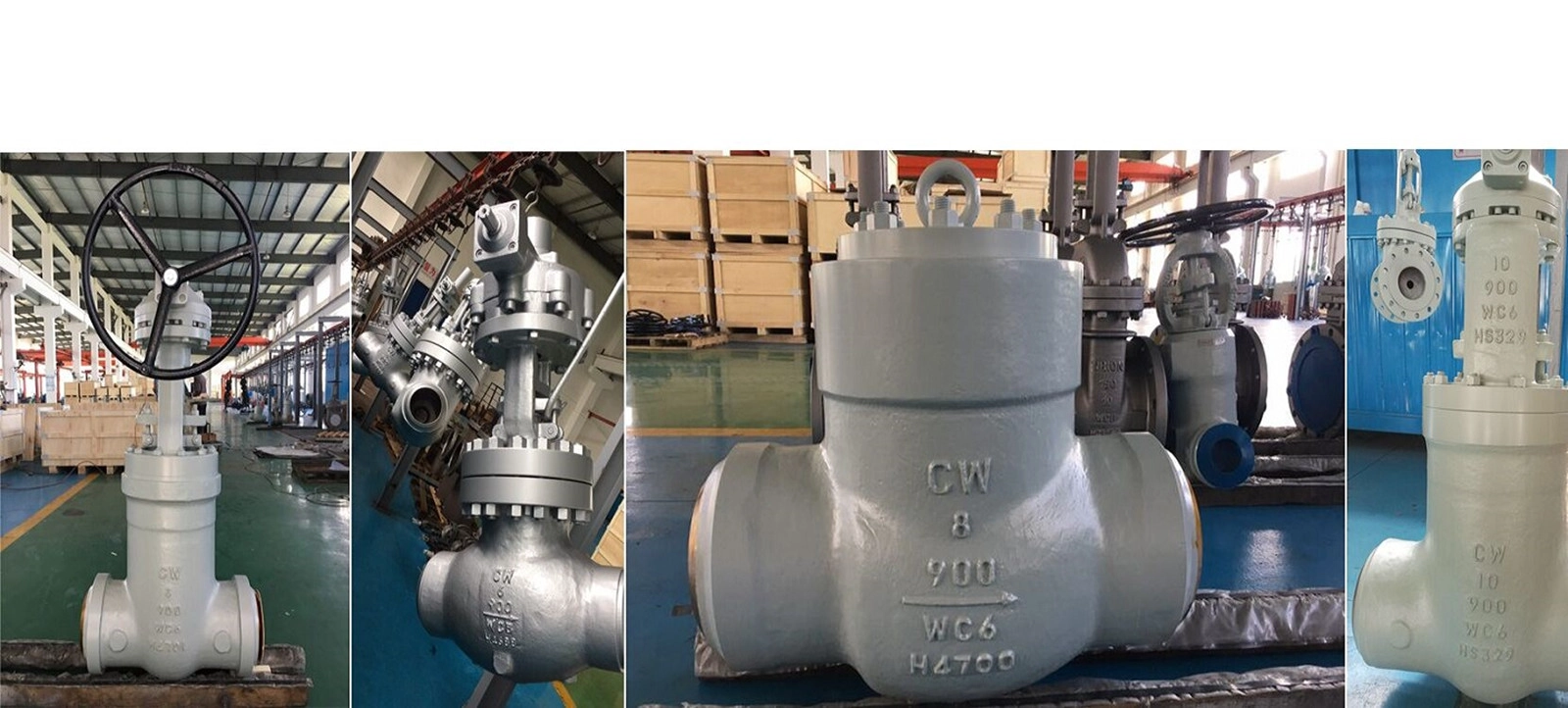
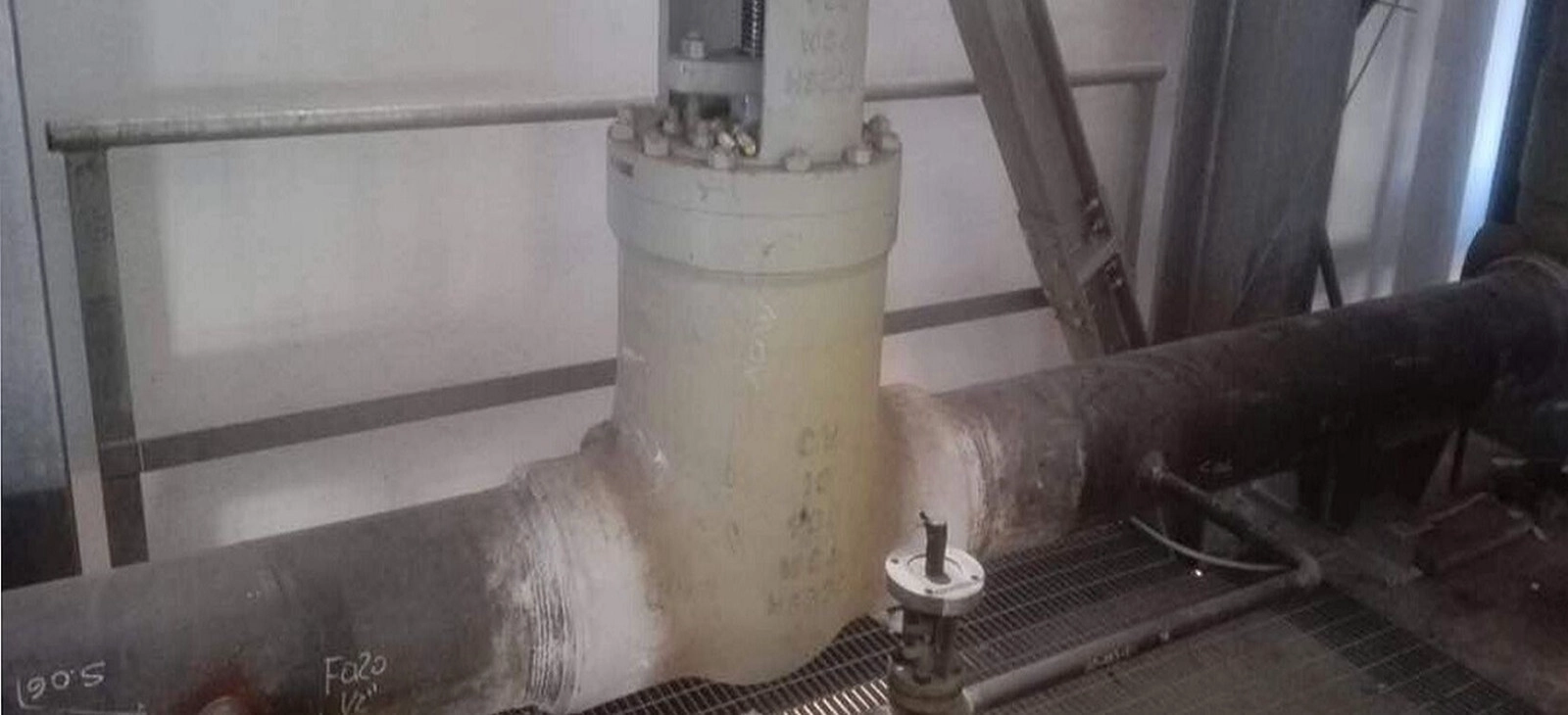
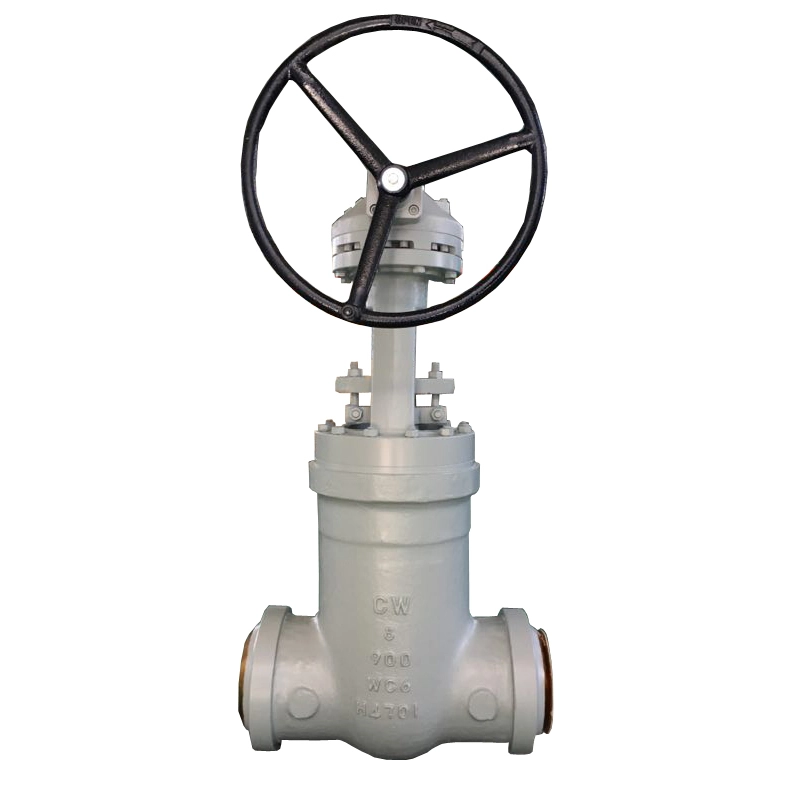
1. Boiler rated evaporation capacity: The specified steam output of a steam boiler when operating under rated steam parameters, rated feedwater temperature, using design fuel and guaranteeing efficiency. WC6 high temperature high pressure gate valve is widely used for steam isolation in this working condition.
2. Higher Calorific Value (HCV): The total heat released when a unit quantity of fuel undergoes complete combustion, with all water vapor in the combustion products condensed into liquid water.
3. Lower Calorific Value (LCV): The total heat released when a unit quantity of fuel undergoes complete combustion, with all water vapor in the combustion products remaining in a gaseous (vapor) state.
4. Converted Composition: The composition of a fuel normalized to a lower calorific value (on an as-received basis) of 4190 kJ/kg.
5. Boiler availability factor: Boiler availability factor = [(Total operating hours + Total standby hours) / Total hours in statistical period] × 100%.
6. Volatile Matter (in Coal): The gases released due to the decomposition of organic matter when a coal sample—from which moisture has been removed—is heated under specified conditions.
7. Flash Point (of Oil): The lowest temperature at which a liquid fuel, when heated under specified conditions, produces a vapor-air mixture above its surface that ignites momentarily (flashes) upon contact with an open flame.
8. Coal Ash Fusibility: The characteristic changes in the physical state of coal ash—such as deformation, softening, and flow—as the temperature increases under specified conditions.